
Phases of Oil and Gas
Oil and natural gas development occurs in distinct phases. Each phase has its own timeline, equipment, and activity level.

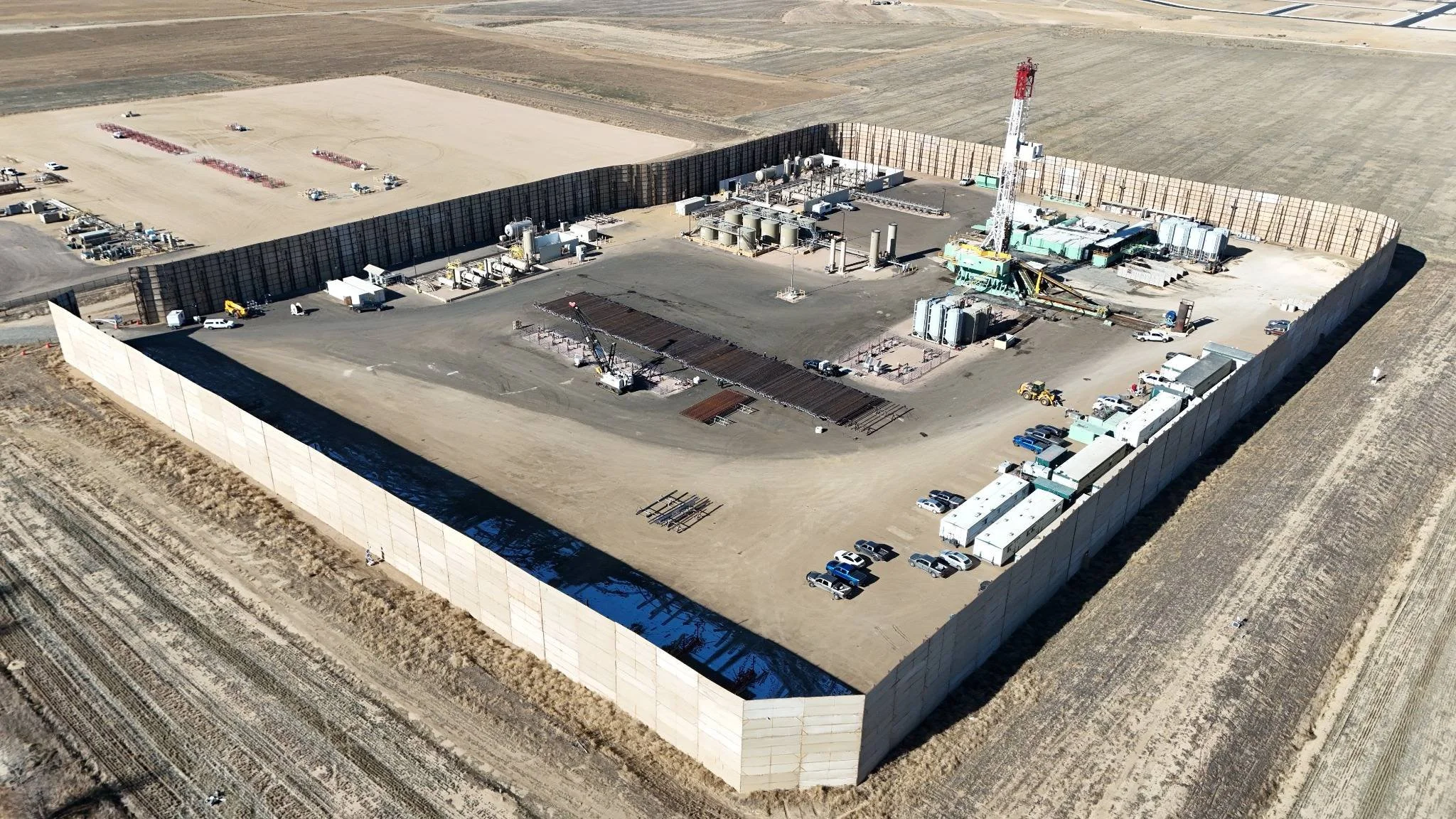
The well and facility pad site has been prepared according to plans approved by the ECMC and the local government. This involves grading, cutting, or filling the land using standard earth-moving equipment. Soundwalls are installed where required, and topsoil is carefully stored onsite for later reclamation.
The well and facility pad site is prepared according to plans approved by the ECMC and local government. This involves grading, cutting, or filling the land using standard earth-moving equipment. Soundwalls are installed where required, and topsoil is carefully stored onsite for later reclamation.

Typical construction equipment, larger trucks hauling dirt or other materials, and a small crew on-site.
Typical construction equipment, larger trucks hauling dirt or other materials, and a small crew on-site.
This creates tiny cracks, or fractures, in the rock formation thousands of feet below the surface, allowing oil and gas to flow more freely towards the wellbore.
Approximately 30 days, though this can vary depending on pad size and existing site conditions.
Approximately 4 - 6 days per well .

24 hours per day, 7 days per week
Standard daylight hours unless otherwise approved.
Once the drilling rig moves off location the completions phase begins. This is commonly known as “hydraulic fracturing” or “frac’ing” and is a standard, well-established practice in modern oil and gas development. This process involves pumping a mixture of water, sand, and a small amount of chemical additives into the wellbore at high pressure. All chemicals used are reported to, and approved by, the ECMC and can be found publicly at www.fracfocus.org. (cont.)
Large trucks hauling sand and other equipment, a crew on location, and light pick-up trucks.
Approximately 4 - 6 days per well .
24 hours per day, 7 days per week
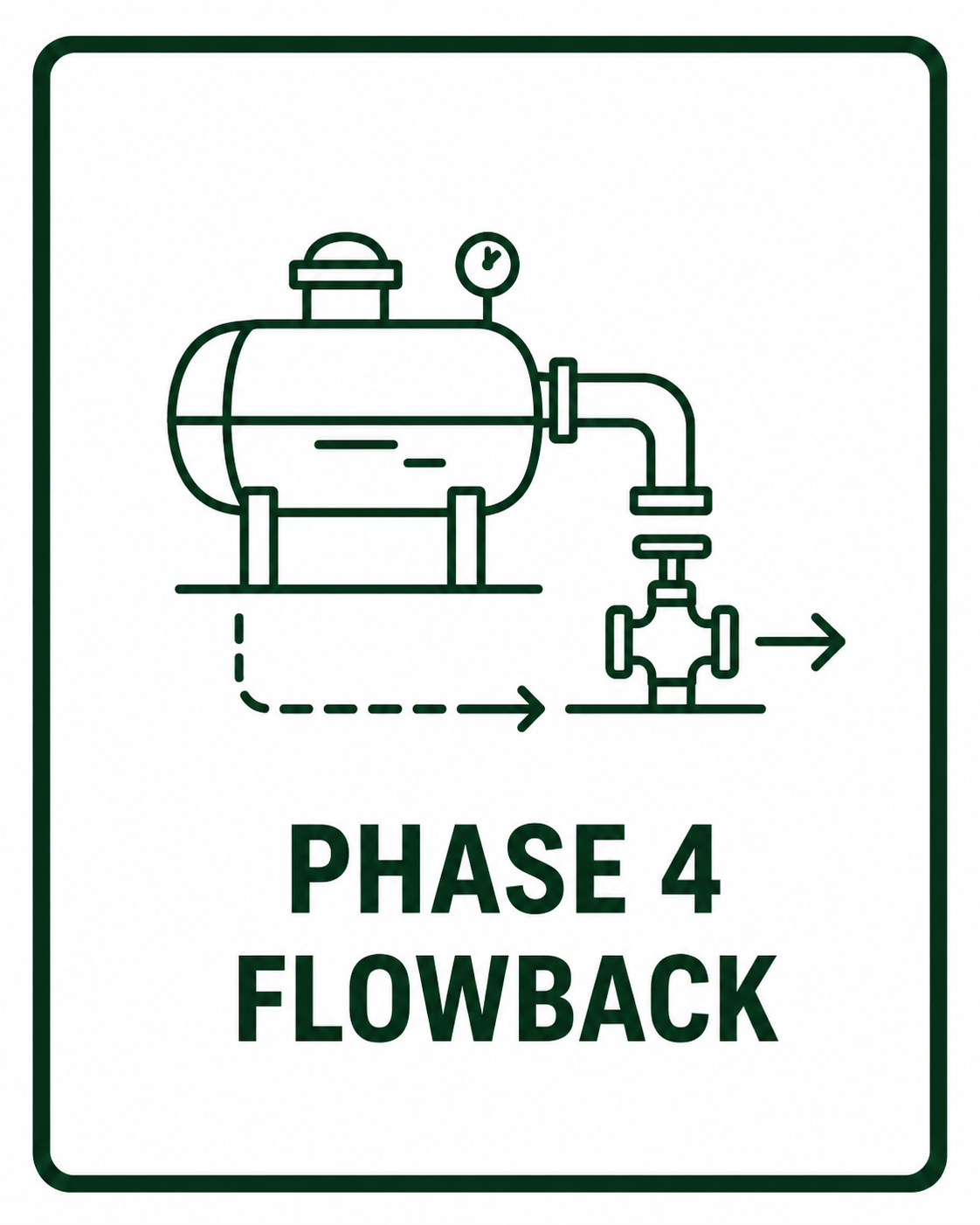
After completions are finished, some equipment is moved off-site, and flowback begins. The plugs placed during the completions phase are removed, and water, oil, and natural gas begin flowing freely to the surface through the wellbore. From the wellhead, a steel pipe carries oil and natural gas to a production facility for processing.
A crew on-site, trucks hauling water, and light pickup trucks. Activity is less intense than during drilling and completions.
Approximately 7 – 10 days per well, with some activity happening concurrently
24 hours per day, 7 days per week
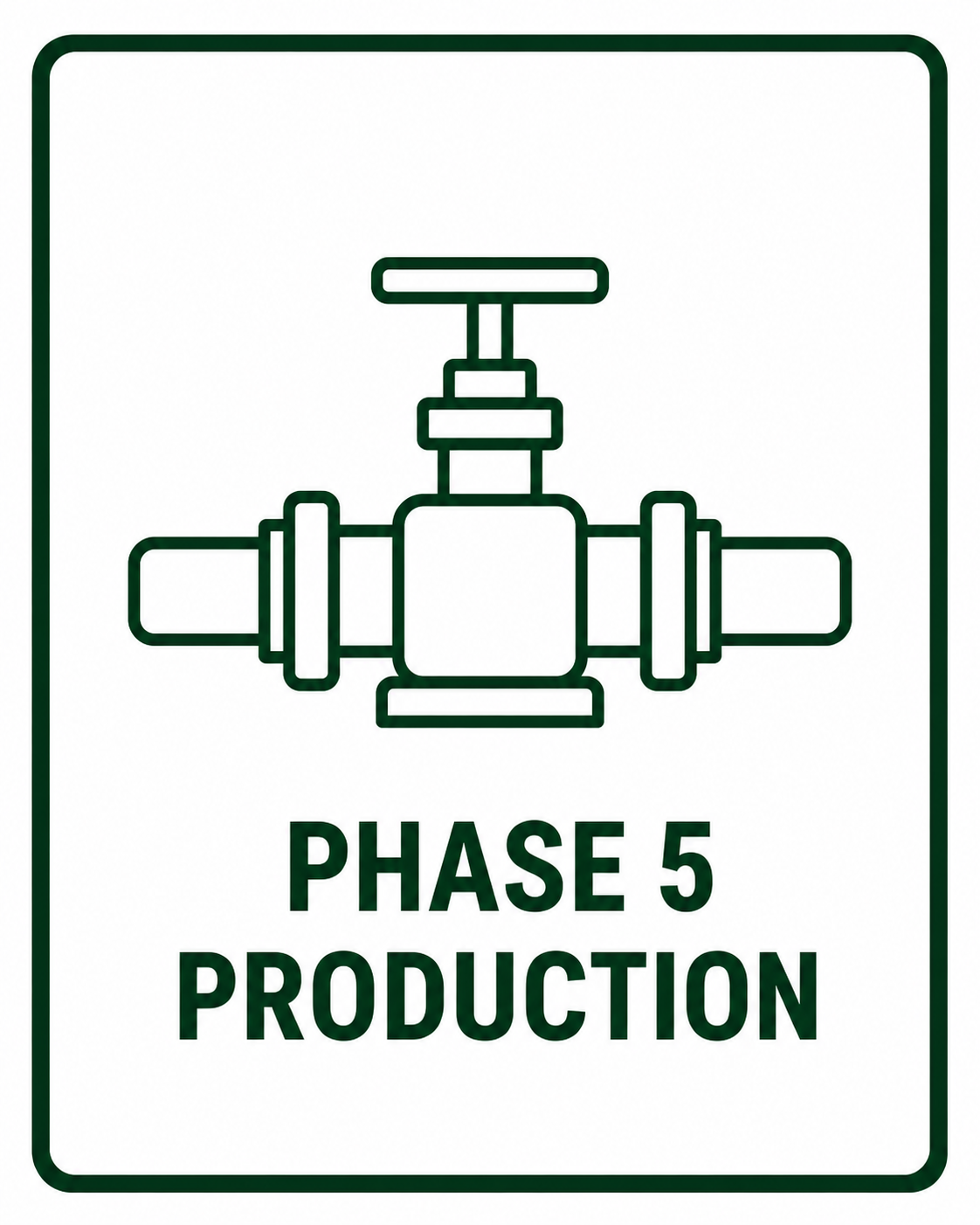
This is the longest phase of a well’s life, as production can continue for approximately 25 to 30 years.
Dunamis uses pipelines, when able, to transport oil and natural gas away from the well pad. This approach reduces truck traffic
and eliminates the associated emissions. For the first six months of production, the site is staffed around the clock to ensure everything is operating properly.
A small crew on-site with light pick-up trucks during the first six (6) months. After that, the well pad operates with minimal visible activity and is remotely monitored.
25 to 30 years
24 hours per day, 7 days per week during the first six (6) months; regular site visit thereafter. Unless there is an emergency, most maintenance activities occur during daylight hours.